Jack Boss — Automotive Jacks And Lifting Equipment
Jack Boss: Built for Mechanics Who Demand More Than Factory Standards
Since 1954, Jack Boss has served a specific community — automotive professionals and home mechanics who refuse to compromise on safety or performance. Operating from Ontario, California, this brand understands that the person under a vehicle needs equipment they can trust completely. Every floor jack, jack stand, and bottle jack leaving the facility carries the weight of that responsibility, literally and figuratively.
The target audience for Jack Boss equipment spans from weekend warriors changing brake pads in their home garage to professional technicians servicing dozens of vehicles daily. Motorcycle enthusiasts maintaining their Yamaha, Honda, Kawasaki, BMW, or Suzuki machines find purpose-built solutions in the lineup. DIY car enthusiasts performing their first oil change deserve the same ANSI/ASME PASE safety certification that protects seasoned pros.
What is boss sauce jack in the box might be a common search query, but Jack Boss answers a different question entirely — what happens when a manufacturer dedicates seven decades to perfecting lifting equipment? The answer lives in every dual piston pump, every automatic safety bypass valve, and every welded steel construction detail that exceeds industry standards.
From 1.5-Ton Compact Units to 20-Ton Heavy Haulers
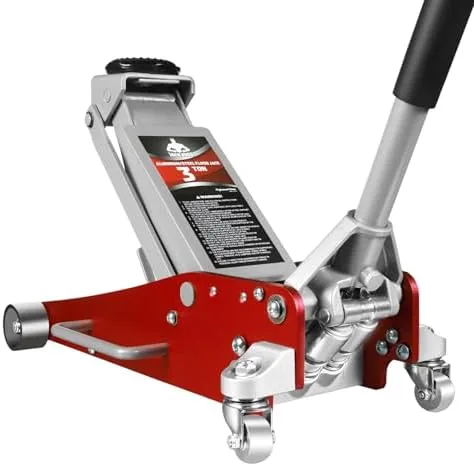
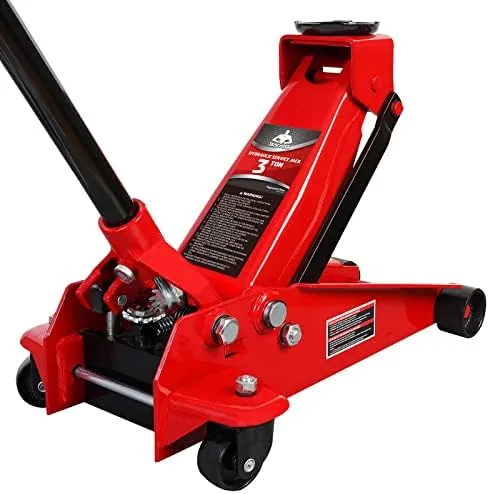
The complete product range addresses virtually every lifting scenario a vehicle owner might encounter. Floor jacks form the backbone of the collection, featuring dual piston quick lift pump technology across capacities from 1.5 to 4 tons. Low profile designs starting at just 3.5 inches slide effortlessly under sport cars, dropped trucks, and vehicles with minimal ground clearance that would defeat standard jacks.
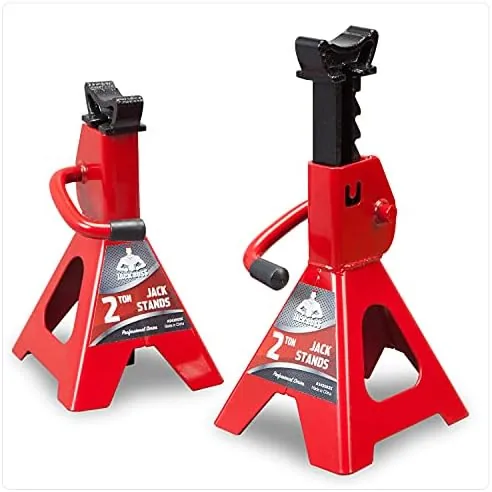
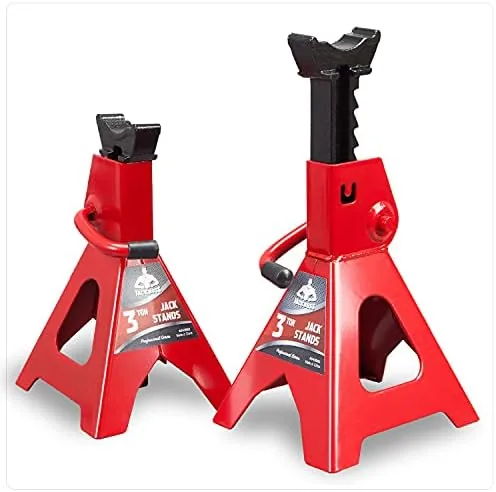
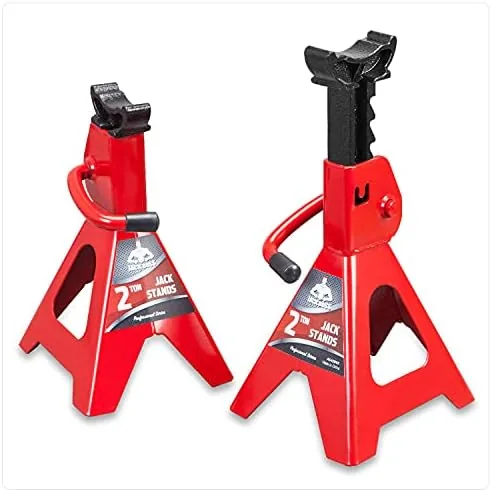
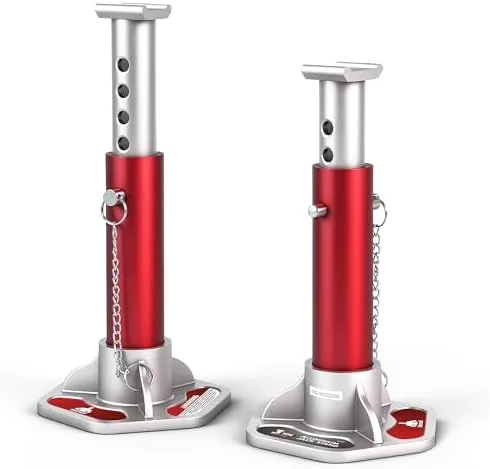
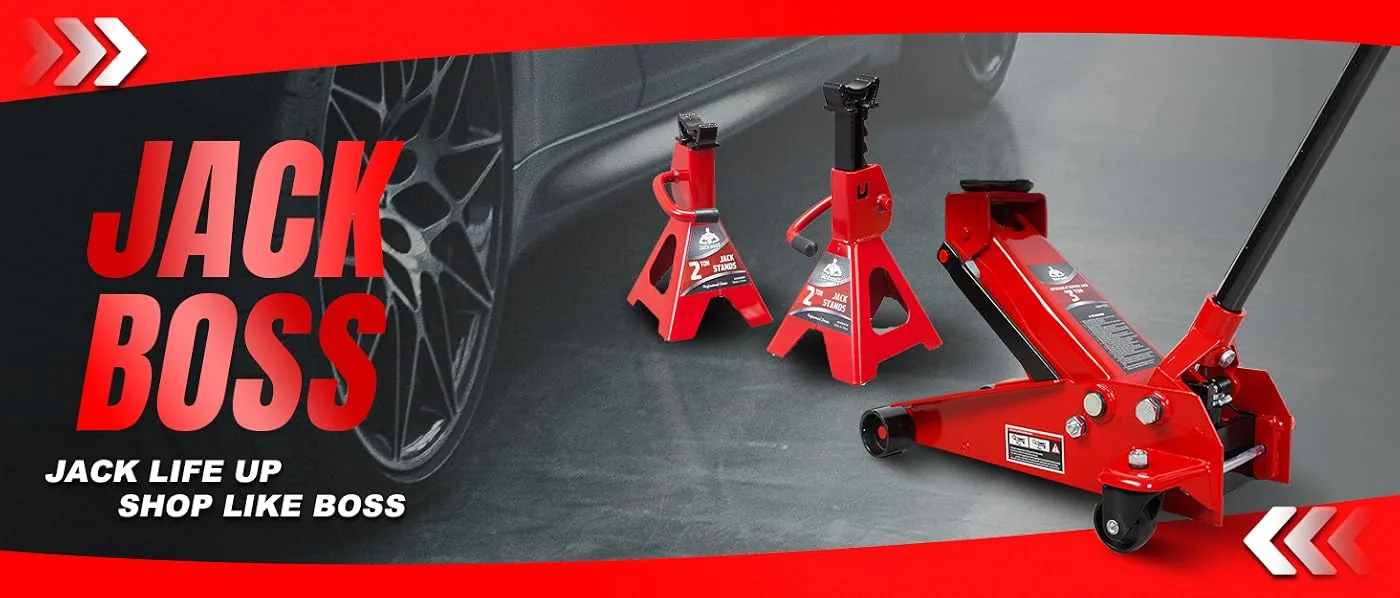
Jack stands complement the floor jack lineup with multi-position ratchet bars and double locking mechanisms. These steel supports feature wide pyramid foot bases engineered for stability on garage concrete, gravel driveways, or shop floors. Capacities scale from 2-ton models suitable for compact cars to heavier-duty options supporting full-size SUVs and trucks.
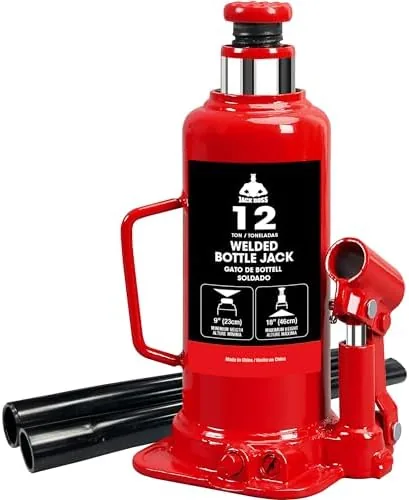
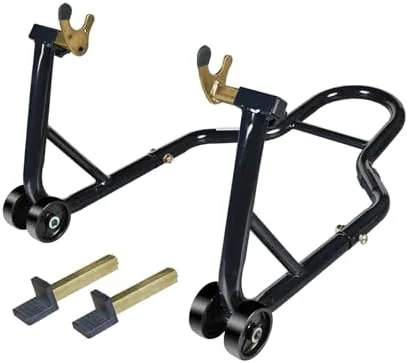
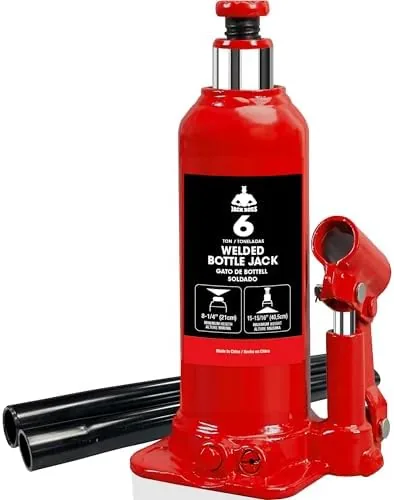
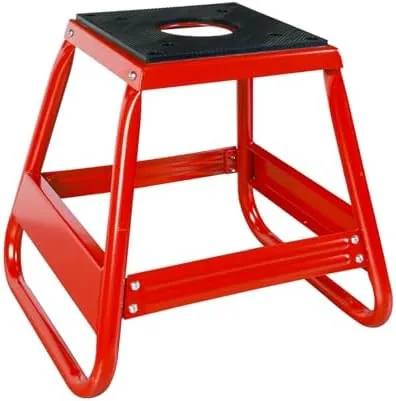
Bottle jacks expand the range into serious tonnage territory, with compact hydraulic units spanning 2 to 20 tons. These space-efficient powerhouses serve RV owners, fleet maintenance crews, and anyone working with larger vehicles. Motorcycle stands round out the collection with premium industrial-grade steel construction, rubber platforms, and adjustable width designs compatible with major sport bike brands.
The Dual Piston Quick Lift Advantage
Standard hydraulic jacks operate on single piston systems that require numerous pump strokes to achieve full lift height. The engineering team rejected this conventional approach, developing dual piston hydraulic quick lift pump technology that delivers lifting speeds up to five times faster than single pump competitors. This translates directly to reduced physical effort and faster job completion.
The automatic safety bypass valve represents another core innovation. During overload conditions — whether from miscalculated vehicle weight or shifting loads — this system activates automatically to protect both the user and the equipment. Unlike manual release mechanisms that require operator awareness, the bypass valve functions independently as a fail-safe.
Drop forged alloyed materials form the structural foundation of every lifting component. This manufacturing process creates metal components with superior grain structure compared to cast alternatives, delivering maximum durability and corrosion resistance that maintains performance through years of garage conditions, temperature fluctuations, and repeated heavy use.
Jack Boss Lifting Equipment: Core Features That Define the Standard
- Dual Piston Pump Technology Achieves full lift height in dramatically fewer strokes compared to single piston designs, reducing operator fatigue during multi-vehicle service days.
- Automatic Safety Bypass Valve Engages independently when loads exceed rated capacity, providing protection without requiring operator intervention or awareness of overload conditions.
- Low Profile Entry Height Floor jack designs starting at 3.5 inches access vehicles with sport suspensions, lowering kits, or factory low ground clearance.
- Drop Forged Alloyed Construction Superior grain structure in critical load-bearing components delivers strength characteristics that exceed cast or stamped alternatives.
- ANSI/ASME PASE Certification Third-party safety verification confirms compliance with recognized industry standards for hydraulic lifting equipment.
- Heavy-Duty Welded Steel Frames Continuous weld construction eliminates weak points common in bolted assemblies, distributing stress evenly across the frame structure.
- Corrosion-Resistant Finishes Powder coat and protective treatments maintain appearance and function despite exposure to garage chemicals, moisture, and temperature cycling.
Top Performers: The Models Mechanics Reach for First
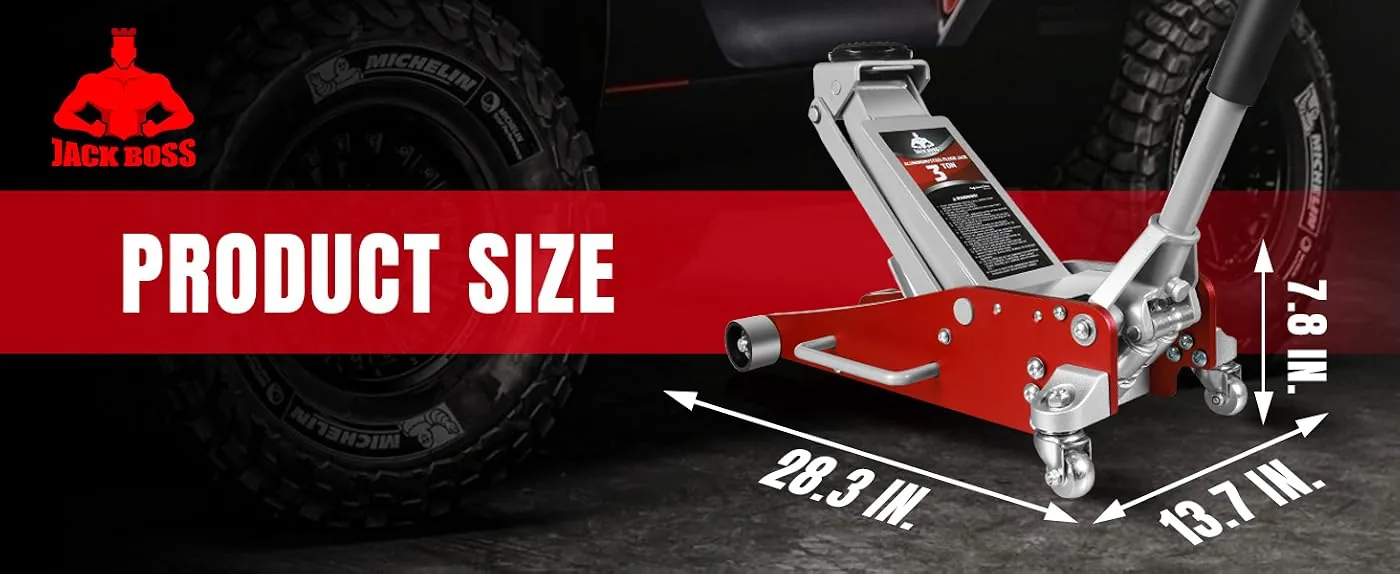
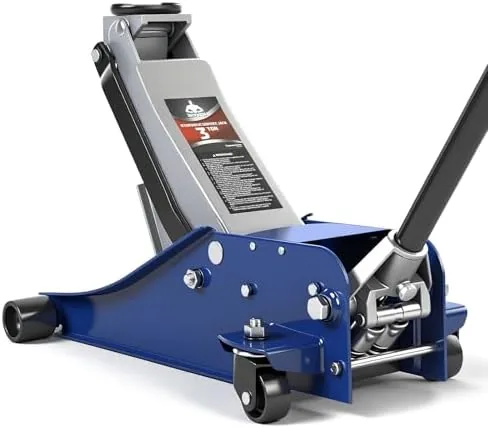
The Jack Boss 3 Ton Low Profile Aluminum and Steel Racing Floor Jack consistently ranks among customer favorites. Weighing 58.5 pounds with a lifting range from 3-15/16 inches to 18-5/16 inches maximum, this unit handles sedans, SUVs, MPVs, and travel trailers. The aluminum-steel hybrid construction balances portability against heavy-duty capability, and the included rubber saddle protects vehicle lift points.
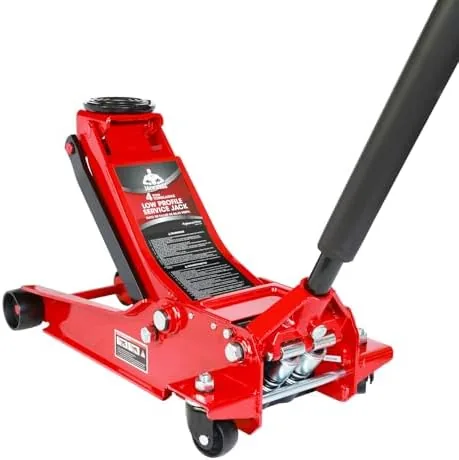
For those seeking maximum versatility, the Jack Boss 4 Ton Floor Jack with Dual Piston Quick Lift Pump handles 8,800 pounds. This capacity accommodates full-size trucks, commercial vans, and heavier SUVs that would exceed 3-ton limits. The low profile design maintains accessibility despite the increased lifting power.
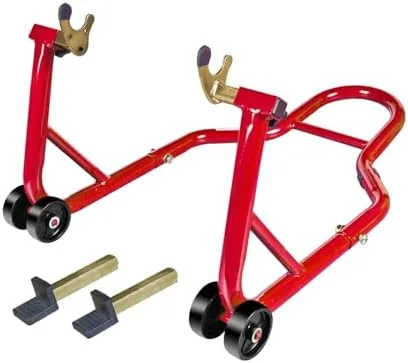
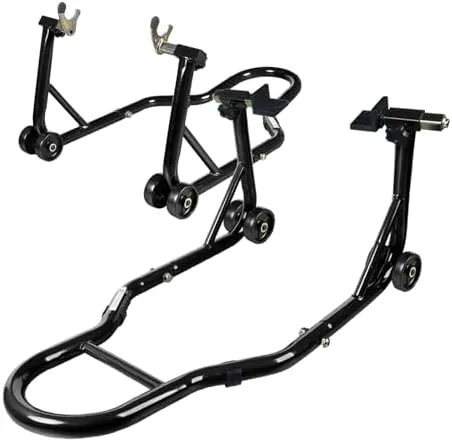
The Motorcycle Stand Rear Combo Wheel Lift Stand addresses the sport bike community with 500-pound capacity and compatibility across Yamaha, Honda, Kawasaki, and Suzuki models. Premium industrial-grade steel construction with red powder coat finish resists corrosion, and the package includes both U-shape front fork and L-shape rear stand attachments. Jack Boss Jack Stands in 2-ton and 3-ton configurations complete maintenance setups with double locking mechanisms and pyramid foot bases for secure vehicle support.
Welded Steel, Forged Alloys, and Industrial-Grade Components
Material selection begins with heavy-duty welded steel construction for primary frames and load-bearing structures. Continuous welding eliminates the stress concentration points that develop around fastener holes in bolted assemblies. The welding process fuses components into unified structures that distribute loads evenly, reducing fatigue failure risk over extended service life.
Drop forging creates the critical components where maximum strength matters most. This metalworking process heats alloy steel and shapes it under tremendous pressure, aligning the metal's internal grain structure along stress paths. The result outperforms cast components in impact resistance, fatigue strength, and overall durability under repeated heavy loading cycles.
Surface treatments protect against the corrosive environment of typical garage and shop conditions. Powder coat finishes resist chipping better than liquid paint while providing a barrier against moisture, brake fluid splashes, and petroleum products. Rubber components — including saddle pads and platform surfaces — utilize compounds selected for oil resistance and compression set characteristics that maintain shape after years of use.
Faster Lifts, Stable Support, and Years of Reliable Service
Performance testing reveals the practical advantage of dual piston pump technology. Where single-piston competitors require 8-12 pump strokes to achieve working height, dual piston designs reach the same position in 3-5 strokes. Over a day of tire rotations or brake jobs, this efficiency compounds significantly — reduced physical demand translates to faster service and less operator fatigue.
Stability under load defines the jack stand experience. The pyramid foot base geometry creates a low center of gravity and wide stance that resists tipping forces. Double locking mechanisms on the ratchet bars provide redundant security; even if one lock were to fail, the secondary mechanism maintains position. Users report confidence working under vehicles supported by these stands — the kind of trust that only develops through consistent, predictable performance.
Durability evidence accumulates across user reviews and professional shop environments. Hydraulic seals maintain pressure integrity through temperature extremes from cold winter garages to summer shop heat. Frame finishes resist the chips and scratches that would expose bare metal to rust. Mechanics running these tools daily for years report continued smooth operation and maintained lifting capacity, demonstrating that the quality claims translate to real-world longevity.
Getting Maximum Performance from Jack Boss Lifting Equipment
- Position on Solid Surfaces Operate floor jacks and jack stands on concrete, asphalt, or other stable surfaces. Soft ground, gravel, or grass can shift under load, compromising stability.
- Locate Proper Lift Points Consult vehicle owner's manual for manufacturer-designated jack points. Using pinch welds, frame rails, or subframes as intended protects vehicle structure and ensures secure lifting.
- Use Rubber Saddle Pads The included rubber saddles and available jack pad accessories protect painted surfaces and prevent metal-to-metal contact that can damage lift points.
- Pump Smoothly for Dual Piston Efficiency Consistent, full pump strokes maximize the dual piston advantage. Partial or jerky pumping reduces efficiency and increases total strokes needed.
- Inspect Before Each Use Check hydraulic seals for leaks, verify saddle pad condition, and confirm ratchet locks engage properly. Address any issues before placing a vehicle on the equipment.
- Store in Lowered Position Releasing hydraulic pressure and storing jacks fully lowered protects seals from sustained compression and extends component life.
Working Safely Under Vehicles: Critical Guidelines
Never work under a vehicle supported only by a floor jack. Floor jacks are lifting devices, not support devices — they can lose hydraulic pressure unexpectedly. Always transfer vehicle weight to properly rated jack stands before positioning yourself beneath the chassis. This fundamental rule prevents the most serious lifting-related injuries.
Capacity ratings reflect maximum loads, not recommended working loads. A 3-ton rated jack stand safely supports vehicles weighing considerably less than 6,000 pounds, but using that same stand under a vehicle approaching the limit reduces safety margins. When possible, select equipment rated significantly above the actual vehicle weight to maintain comfortable safety factors.
Surface conditions affect stability more than many users realize. Concrete garage floors provide ideal support. Packed gravel or asphalt parking lots work acceptably. Soft soil, wet grass, or uneven surfaces create dangerous shifting potential. If working outside, position equipment on plywood sheets or similar solid platforms to distribute load and prevent sinking. Wheel chocks on tires remaining on the ground add another layer of rollaway prevention.
The Right Choice for Home Garages and Professional Shops
Ideal for Home Mechanics Who:
- Perform their own oil changes, brake jobs, and tire rotations
- Work on multiple family vehicles with varying ground clearances
- Value safety certification over lowest purchase price
- Appreciate tools that last years without replacement
- Need equipment that stores efficiently in limited garage space
Essential for Professional Shops That:
- Service high volumes requiring fast, reliable lifting
- Work on diverse vehicle types from sports cars to trucks
- Must meet insurance and safety compliance requirements
- Cannot afford downtime from equipment failure
- Invest in tools that reduce technician fatigue
Selecting the Right Floor Jack and Stand Combination
Vehicle weight determines the minimum capacity requirement, but ground clearance often drives specific model selection. Sports cars and lowered vehicles demand the 3.5-inch minimum entry height of low profile floor jacks — standard profile units simply won't fit beneath the chassis. Trucks and SUVs with factory suspension typically work fine with standard or low profile options, providing more flexibility in model selection.
What is jack in the box boss sauce appears in searches unrelated to automotive equipment, but selecting Jack Boss equipment requires different considerations. Match floor jack capacity to your heaviest vehicle plus a reasonable safety margin. A household with a compact car, midsize sedan, and full-size SUV benefits from a 3-ton jack that handles all three, rather than a 2-ton unit that limits capabilities.
Jack stand selection follows similar logic but adds height range considerations. Verify that the maximum stand height accommodates the working height you need for specific tasks. Brake work requires wheel removal, so stands must support the vehicle with wheels off — typically requiring more height than simple undercarriage access. Purchase stands in pairs, as proper support requires matching stands under both lift points on the axle being worked.
Jack Boss vs. Leading Competitors: Feature-by-Feature Comparison
| Feature | Jack Boss | Pittsburgh (Harbor Freight) | Torin Big Red |
|---|---|---|---|
| Dual Piston Quick Lift | Standard on floor jacks | Single piston only | Select models only |
| Automatic Safety Bypass Valve | Built-in on all jacks | Not available | Manual release only |
| Minimum Entry Height (Low Profile) | 3.5 inches | 3.5 inches | 3.75 inches |
| Construction Method | Heavy-duty welded steel + drop forged | Welded steel | Welded steel |
| Safety Certification | ANSI/ASME PASE certified | Not certified | ASME PALD certified |
| Warranty Coverage | 1-year manufacturer warranty | 90-day limited | 1-year limited |
| Double Lock Jack Stands | Standard feature | Single lock mechanism | Select models only |
| Corrosion Protection | Drop forged alloy + powder coat | Painted finish | Powder coat finish |
Comparison based on publicly available product specifications as of 2024. Features may vary by specific model within each brand lineup.
Maintaining Hydraulics, Protecting Finishes, Extending Service Life
- Check Hydraulic Fluid Levels Inspect fluid levels annually or when lifting performance decreases. Low fluid causes incomplete lifts and potential pump damage. Use manufacturer-specified hydraulic jack oil only.
- Bleed Air from the System Air trapped in hydraulic systems causes spongy operation. Open the release valve fully, pump the handle several times with no load, then close the valve. Repeat if necessary.
- Wipe Down After Use Remove brake dust, oil drips, and debris after each use. These contaminants can work into moving parts and seals if left to accumulate.
- Inspect Seals and O-Rings Look for hydraulic fluid weeping around the ram and pump connections. Early seal wear detection prevents sudden failure during use.
- Lubricate Moving Parts Apply light machine oil to pivot points, wheel axles, and ratchet mechanisms periodically. This prevents corrosion and ensures smooth operation.
- Store in Climate-Controlled Spaces Extreme temperature cycling accelerates seal degradation. Garage storage typically suffices, but avoid leaving equipment outdoors or in uninsulated sheds.
- Exercise Equipment Periodically Jacks stored for extended periods benefit from occasional cycling. This distributes lubricants and keeps seals conditioned.