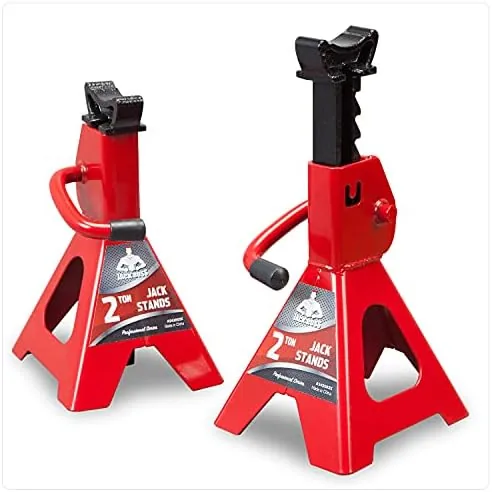
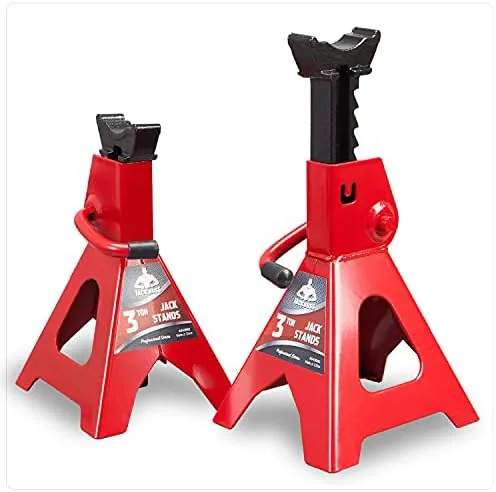
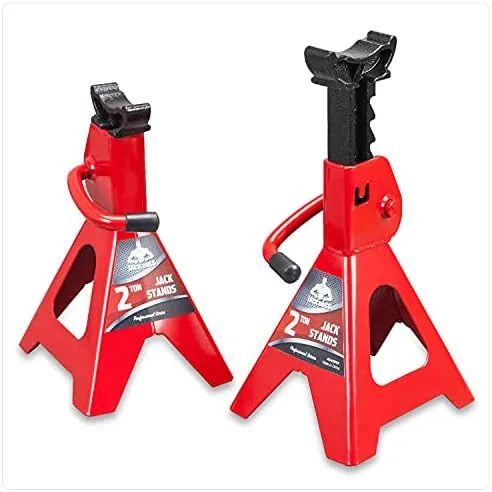
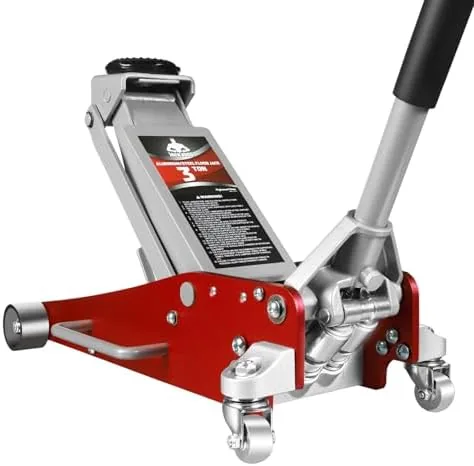
Jack Boss — Jack Stand
Jack Boss Jack Stand: Built for Home Mechanics and Shop Professionals Alike
Since 1954, Jack Boss has operated from Ontario, California with a singular focus — empowering automotive professionals and DIY enthusiasts with lifting equipment that exceeds industry standards. The brand serves a diverse community of users, from weekend warriors tackling brake jobs in their home garages to certified technicians working on vehicles day after day. This dual focus shapes every product decision, ensuring that both casual users and demanding professionals find equipment that meets their specific needs.
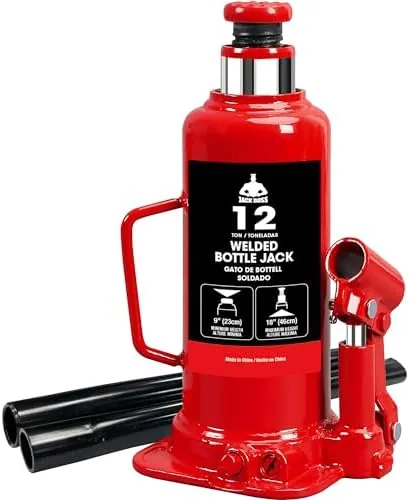
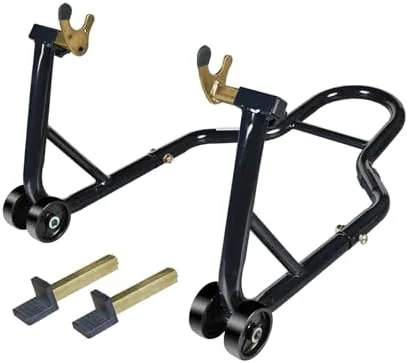
The home mechanic working on a family sedan requires different specifications than the shop technician servicing heavy-duty trucks. Jack Boss addresses this reality by offering jack stands across multiple capacity ratings, from compact 2-ton models perfect for sedans to heavy-duty 12-ton versions built for commercial applications. This range ensures that motorcycle owners, car enthusiasts, and professional repair shops all find appropriately rated equipment without compromise.
Safety certification drives the brand's commitment to its audience. Every jack stand carries ANSI/ASME PASE safety certification, providing documented assurance that the equipment has been independently tested and verified. For professionals whose livelihoods depend on reliable tools, and for home mechanics whose families depend on their safe return from the garage, this certification represents more than a marketing claim — it represents a promise kept.
Complete Lineup from Compact Car Supports to Heavy-Duty Truck Stands
The product range spans every practical application in automotive maintenance. Entry-level 2-ton capacity stands serve owners of compact cars, sedans, and small crossovers, while 3-ton models accommodate mid-size SUVs and light trucks. For commercial applications and heavy-duty vehicles, the lineup extends to 12-ton capacity stands capable of supporting full-size trucks and professional service equipment.
Height adjustability varies across the collection to match different vehicle profiles. Low-profile models start at just 9.8 inches minimum height, providing essential clearance for sports cars and lowered vehicles that standard stands cannot accommodate. Standard models offer ranges from 10.8 inches to 16.7 inches, covering the majority of consumer vehicles. The heavy-duty 12-ton models provide a 12.6 to 18.9-inch range for trucks and SUVs with elevated chassis heights.
Material options include traditional heavy-duty steel construction and lightweight aluminum alternatives. Steel models maximize durability and value for stationary garage use, while aluminum versions reduce weight by approximately 40% for mobile technicians and enthusiasts who transport their equipment regularly. Both material options maintain identical safety certifications and load ratings.
The Dual Piston Quick Lift Advantage and Automatic Safety Bypass System
Engineering philosophy at Jack Boss centers on the dual piston hydraulic quick lift pump system, a technology that delivers lifting speeds up to five times faster than conventional single pump jacks. This system reduces physical effort and time during the initial vehicle lift, allowing users to position jack stands more efficiently. The practical benefit extends beyond convenience — faster lifting means less time spent in potentially unstable intermediate positions.
The automatic safety bypass valve represents the brand's most significant safety innovation. During overload conditions, when weight exceeds rated capacity or when hydraulic pressure builds beyond safe thresholds, the bypass valve activates automatically. This feature prevents catastrophic failure by releasing pressure in a controlled manner rather than allowing equipment damage or sudden collapse. Users receive immediate feedback when capacity limits approach, enabling corrective action before dangerous conditions develop.
Drop forged alloyed materials throughout the construction provide strength characteristics superior to cast components. The forging process aligns metal grain structure along stress lines, creating components that resist fatigue failure under repeated loading cycles. This metallurgical advantage proves particularly valuable in ratchet bars and locking pawls, where repeated engagement and disengagement concentrate mechanical stress.
Jack Boss Jack Stand Features: Double Locking Mechanisms and Pyramid Base Stability
- Multi-Position Ratchet Bars Precision-machined notches at regular intervals allow height adjustment in controlled increments. Each position locks positively without gradual slippage or settling under load.
- Double Locking Mechanisms Primary ratchet pawl engagement combines with secondary locking pin insertion for redundant security. Both mechanisms must be deliberately released before height adjustment becomes possible.
- Wide Pyramid Foot Bases Triangulated base geometry distributes load across the widest practical footprint. This design prevents tipping during vehicle movement and resists sinking on softer garage floor surfaces.
- Heavy-Duty Welded Steel Construction Continuous weld seams along all structural joints eliminate weak points found in spot-welded competitors. Visual inspection confirms weld integrity without specialized testing equipment.
- Corrosion-Resistant Finish Powder coat or enamel finishes protect steel surfaces from rust development in humid garage environments. Touch-up capability extends protection throughout the product's service life.
- ANSI/ASME PASE Certification Independent laboratory testing verifies load capacity claims under standardized conditions. Certification documentation accompanies each product for professional shop compliance requirements.
Top Sellers: The 3-Ton Aluminum and 12-Ton Heavy Duty Models Lead the Pack
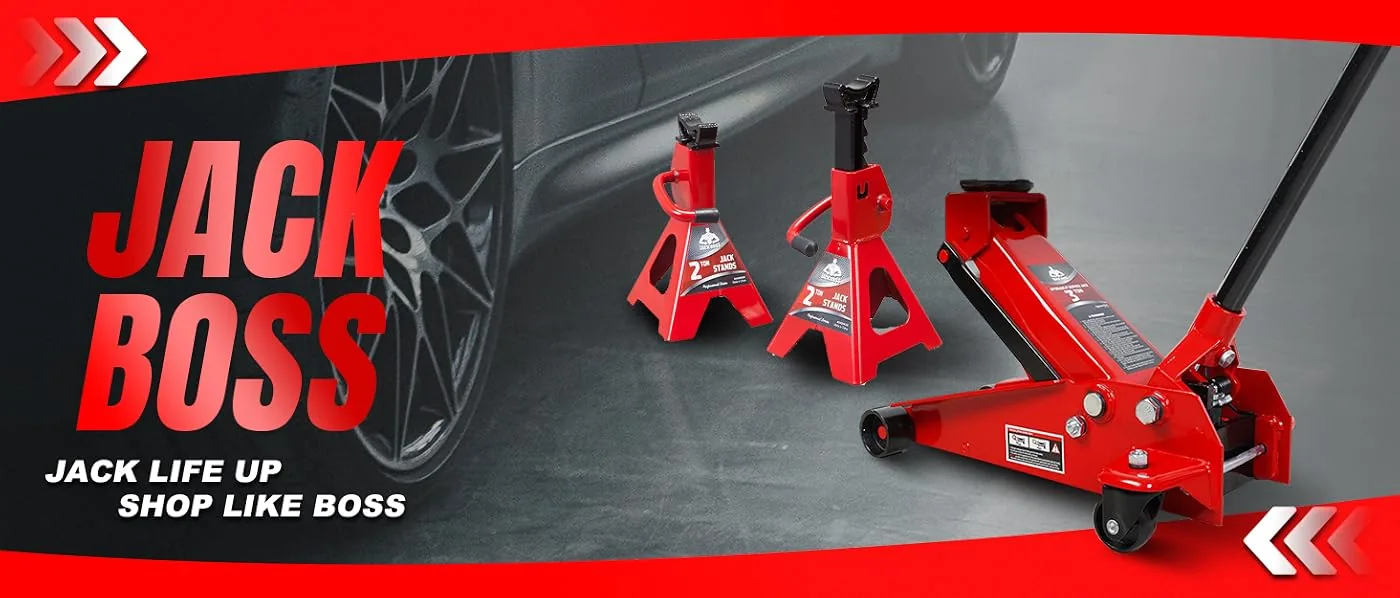
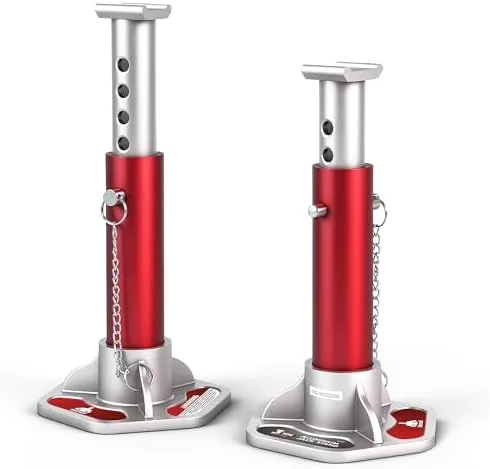
The 3 Ton Aluminum Lightweight Jack Stands with Locking Support Pins consistently rank among the most popular selections. Weighing significantly less than steel equivalents while maintaining full 6,000-pound capacity per stand, these aluminum models appeal to mobile mechanics and enthusiasts who value portability. The locking support pin system provides visual and tactile confirmation of secure engagement, addressing the primary concern users express about jack stand safety.
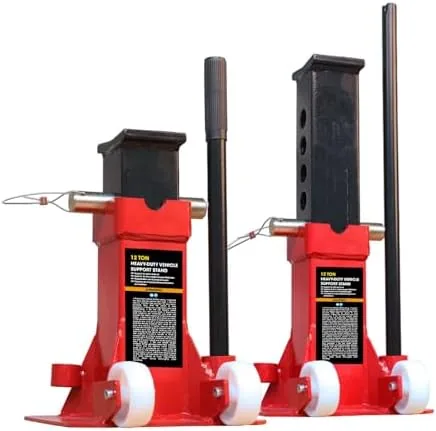
For heavy-duty applications, the 12 Ton Heavy Duty Jack Stands dominate professional shop purchases. With 24,000-pound capacity per stand and an adjustable height range from 12.6 to 18.9 inches, these units handle everything from lifted trucks to commercial vehicles. The large base footprint and strong lock mechanism inspire confidence during extended service procedures like transmission removal or suspension overhauls.
The 2 Ton Low Profile model serves a distinct market segment — owners of sports cars, lowered vehicles, and modern sedans with aerodynamic undercarriage panels. Starting at just 9.8 inches minimum height, these stands slide beneath vehicles that defeat standard equipment. The 4,000-pound capacity proves adequate for vehicles in this category, as sports cars and lowered sedans rarely exceed weights requiring higher-rated stands.
Drop Forged Alloys and Heavy-Duty Welded Steel — Inside the Build
Drop forging creates components with fundamentally different strength characteristics than casting or machining from bar stock. The forging process subjects heated metal to tremendous compressive force, aligning crystalline grain structure along the component's length. This alignment provides superior resistance to bending and fatigue failure, the primary stress modes experienced by jack stand ratchet bars and support posts during service.
Welded construction throughout the assembly eliminates fastener-related failure modes. Spot welds, common in economy stands, concentrate stress at small contact points and progressively fail under cyclic loading. Continuous welds distribute stress along the entire joint length, providing both immediate strength and long-term durability. Visual inspection of weld beads allows users to verify construction quality before purchase.
Base platforms utilize thicker gauge steel than visible post components require. This over-engineering at the foundation level recognizes that base failure creates the most dangerous failure mode — sudden collapse without warning. The pyramid geometry further strengthens the base by converting vertical loads into compressive forces along angled members rather than bending forces that would stress flat platforms.
Confident Holds During Brake Jobs, Oil Changes, and Suspension Work
Real-world performance manifests during actual maintenance tasks. Brake work requires stable support while users apply torque to remove and reinstall caliper bolts, rotor retaining screws, and wheel fasteners. The double locking mechanism prevents any height change during these operations, eliminating the unsettling settling that cheaper stands permit. Users report completing full brake services without rechecking stand security — a testament to positive locking engagement.
Oil change applications benefit from the height adjustability range. Users lift vehicles to their preferred working height rather than accepting whatever clearance a fixed-height stand provides. This customization reduces strain during filter removal and drain plug access, improving both comfort and task completion speed. The pyramid base stability proves particularly valuable when users must reach beneath vehicles, as the stands resist any tipping tendency from lateral force application.
Suspension work presents the most demanding test case. Strut and shock replacement requires complete removal of load-bearing components, temporarily leaving the vehicle supported solely by jack stands. Spring compressor operations add the danger of stored mechanical energy to the equation. Professional technicians consistently note that confidence in their jack stands allows focus on the task rather than constant worry about support security. The ANSI/ASME certification provides quantified assurance that the stands will perform as rated throughout these extended procedures.
Using Your Jack Boss Jack Stand: Proper Positioning and Support Point Selection
Correct usage begins with identifying proper lift points on your vehicle. Consult the owner's manual for manufacturer-designated jack and support locations. These points feature reinforced frame sections designed to bear vehicle weight safely. Using random undercarriage locations risks bending body panels, damaging components, or creating unstable support conditions.
For extended storage, clean stands before returning them to your tool collection. Remove any oil or grease that accumulated during use, as these substances can mask developing corrosion. Store stands in a dry location to maximize the protective coating's effective life.
Capacity Ratings, Weight Limits, and Safe Load Distribution
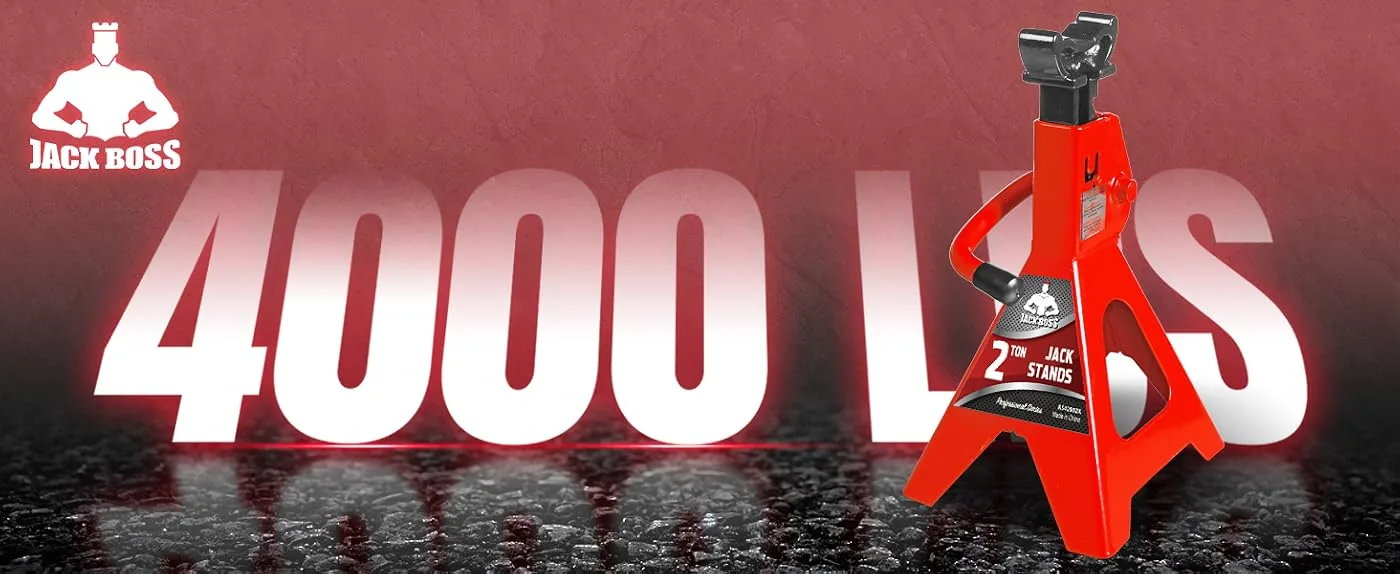
Capacity ratings on jack stands indicate the maximum safe load per individual stand, not per pair. A vehicle weighing 4,000 pounds requires stands rated for at least 2,000 pounds each when supported at two points. However, weight distribution across a vehicle is never perfectly equal. Front-heavy vehicles with engines over the front axle place greater load on front supports than rear. Safe practice dictates selecting stands rated for at least 75% of total vehicle weight per stand.
The listed weight capacity assumes properly positioned loads applied vertically through the support saddle. Angled loads, such as those created when a vehicle shifts during work, generate leverage forces that multiply effective stress on stand components. The double locking mechanism prevents gradual height reduction but does not change the physics of leverage multiplication. Keeping vehicles stable and centered on their supports eliminates this risk factor.
Maximum height specifications require equal attention. Supporting a vehicle with stand posts extended to maximum creates longer lever arms and reduces stability margins. Whenever possible, use the minimum height extension that provides adequate working clearance. This practice maximizes the stand's stability factor and maintains the largest safety margin throughout your maintenance procedures.
Perfect for Weekend Wrenchers and Mobile Service Technicians
Home Garage Users
- Weekend brake and rotor replacements
- DIY oil changes without shop fees
- Tire rotations and seasonal changeovers
- Undercarriage inspections and cleaning
- Minor suspension component replacement
Professional Applications
- Multi-bay shop support equipment
- Mobile mechanic service calls
- Fleet maintenance operations
- Performance shop installations
- Restoration project long-term support
Selecting the Right Jack Stand Capacity and Height Range
Vehicle weight determines minimum capacity requirements. Compact cars and sedans typically weigh between 2,500 and 3,500 pounds, making 2-ton rated stands appropriate for most passenger vehicles. Mid-size SUVs and crossovers range from 4,000 to 5,500 pounds, requiring 3-ton capacity for adequate safety margins. Full-size trucks, heavy SUVs, and commercial vehicles demand 6-ton or higher ratings depending on specific model weights.
Height range selection depends on your vehicle's ground clearance and your preferred working position. Low-profile vehicles — sports cars, lowered sedans, and modern vehicles with aerodynamic underbody panels — require stands with minimum heights below 10 inches. The 2 Ton Low Profile model's 9.8-inch minimum specifically addresses this market. Standard vehicles work well with 10.8 to 11.2-inch minimum heights, while lifted trucks may require the 12-ton model's 12.6-inch minimum.
Consider future vehicle purchases when investing in jack stands. Stands rated for heavier vehicles safely support lighter ones, but the reverse creates safety hazards. Purchasing 3-ton stands for a current sedan provides adequate capacity if you later acquire an SUV or truck. The modest price difference between capacity levels represents worthwhile insurance against future needs.
Jack Boss Jack Stand vs. Torin and Powerbuilt: Feature Comparison
| Feature | Jack Boss | Torin Big Red | Powerbuilt |
|---|---|---|---|
| Locking Mechanism | Double lock with ratchet + pin | Single ratchet pawl | Self-locking ratchet |
| Base Design | Wide pyramid with reinforcement | Standard pyramid | Wide stance base |
| Construction | Heavy-duty welded steel | Welded steel | Stamped and welded steel |
| Safety Certification | ANSI/ASME PASE certified | ASME PALD compliant | Meets ANSI standards |
| Material Options | Steel and aluminum versions | Steel only | Steel only |
| Low Profile Available | Yes — 9.8" minimum | Limited selection | Yes — 10" minimum |
| Capacity Range | 2 ton to 12 ton | 2 ton to 6 ton | 2 ton to 6 ton |
| Warranty | 1-year limited manufacturer | 90-day limited | 1-year limited |
Specifications based on manufacturer published data as of current model year. Features may vary by specific model within each brand's lineup.
Cleaning, Inspection, and Long-Term Storage Practices
- Post-Use Cleaning Wipe down ratchet bars and locking mechanisms with a clean cloth after each use. Remove oil, grease, and brake dust that can trap moisture against metal surfaces.
- Lubrication Points Apply light machine oil to ratchet bar teeth and pivot points annually. Avoid heavy grease that attracts dirt and can interfere with locking mechanism engagement.
- Visual Inspection Routine Examine weld seams for cracks before each use. Check ratchet bar teeth for wear or damage that could prevent positive locking. Inspect base plates for bending or deformation.
- Load Testing Never test stands by placing yourself beneath a supported vehicle. Verify stand security by attempting to rock the vehicle from the side before beginning work.
- Storage Conditions Store stands in a dry environment to prevent corrosion development. Hanging storage or elevated shelving keeps stands away from garage floor moisture.
- Replacement Indicators Retire stands immediately if cracks appear in welds or structural components. Damaged ratchet teeth, bent posts, or deformed bases indicate the end of safe service life.